News Details Home / News Details
Mandarin for the Future: How Language Builds Global Citizens
In today’s interconnected world, being able to communicate across cultures is one of the most powerful skills anyone can have. The world no longer operates within isolated borders. Our schools, workplaces, and communities are increasingly diverse and globally connected. Among the languages shaping this global landscape, Mandarin Chinese stands out as a key that unlocks understanding, opportunity, and unity.
At Xiao Qiao Language Institute, we believe that learning Mandarin is not just about mastering vocabulary or grammar. It is about preparing individuals to become global citizens—people who can think internationally, appreciate diversity, and contribute meaningfully to a shared future.
The Changing Global Landscape
The 21st century has seen unprecedented globalization. From international trade and travel to digital communication and cultural exchange, people from all parts of the world are more connected than ever before. In this context, multilingualism is not a luxury but a necessity.
Mandarin Chinese is spoken by more than a billion people and is one of the six official languages of the United Nations. Its global presence continues to grow as China strengthens its role in global trade, technology, education, and culture. By learning Mandarin, students position themselves at the center of this evolving global network.
Language is more than a tool for communication. It is a doorway to understanding how others live, think, and see the world. This understanding is the essence of what it means to be a global citizen.
The Concept of Global Citizenship
Global citizenship is about recognizing that we all share a common humanity. It involves being aware of the world, respecting cultural differences, and taking responsibility for making positive contributions to society.
A global citizen is curious, open-minded, and compassionate. They understand that their actions have an impact beyond their immediate environment. Learning Mandarin nurtures these qualities by exposing learners to one of the oldest and most sophisticated cultures in the world.
Through Mandarin, students explore values such as respect, humility, diligence, and harmony—principles deeply embedded in Chinese philosophy and tradition. These values promote empathy and intercultural awareness, which are essential for living and working in an increasingly globalized world.
Mandarin as a Gateway to Understanding
Every language carries within it a unique worldview. Mandarin, with its tones, characters, and expressions, reflects a culture that values balance, patience, and collective harmony. When learners study Mandarin, they are not just learning to speak. They are learning to think differently.
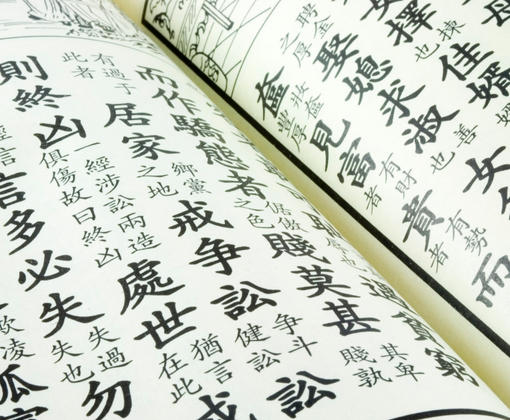
For example, the Chinese writing system uses characters that represent ideas rather than sounds. Each character has its own meaning, history, and structure. Understanding these characters helps learners appreciate the depth of Chinese art, literature, and philosophy.
The Chinese language also has idioms known as chengyu, which often contain historical or moral lessons. These idioms teach learners to value wisdom, humility, and moral strength. As students study them, they gain insights into how Chinese people perceive relationships, leadership, and social responsibility.
By immersing themselves in this linguistic and cultural experience, learners develop not only communication skills but also cultural intelligence—a vital component of global citizenship.
Language Learning and Global Competence
Global competence refers to the ability to interact effectively and respectfully with people from different backgrounds. It requires open-mindedness, adaptability, and the ability to see situations from multiple perspectives.
Learning Mandarin directly contributes to building these skills. It teaches patience through tone mastery, creativity through character writing, and curiosity through cultural exploration. Students who study Mandarin often develop a deep respect for different customs, traditions, and ways of life.
In classrooms at Xiao Qiao Language Institute, cultural competence is just as important as linguistic skill. Our teachers integrate lessons about Chinese festivals, etiquette, and history into every level of study. Students learn why the Chinese value family unity, why red symbolizes good fortune, and how Confucian ideals continue to shape modern life.
Through this holistic approach, our learners don’t just become language speakers. They become culturally aware communicators ready to thrive in any international setting.
Mandarin in Education and Career Development
As the demand for bilingual and multilingual professionals grows, Mandarin has become a valuable asset in education and career advancement. Students who learn Mandarin gain access to international scholarships, exchange programs, and study opportunities in China and other Mandarin-speaking regions.
For professionals, Mandarin fluency opens doors to international business, trade, and diplomacy. Global companies seek employees who can build relationships across linguistic and cultural boundaries. Mandarin proficiency shows adaptability, cultural understanding, and global awareness—all essential traits of leadership in today’s workforce.
Even in industries such as tourism, technology, logistics, and education, the ability to communicate in Mandarin enhances competitiveness. It demonstrates a readiness to collaborate in cross-cultural environments and an appreciation for global diversity.
Mandarin and the African Context
Across Africa, including Lesotho, the interest in Mandarin continues to rise. As China strengthens its partnerships across the continent, more schools and universities are introducing Chinese language programs. For African students, learning Mandarin means opening new paths for business, education, and cultural exchange.
At Xiao Qiao Language Institute, we have seen firsthand how Mandarin empowers young people in Lesotho. Our students learn to navigate cultural differences with confidence and build international connections that enrich both personal and professional growth.
By mastering Mandarin, African learners become part of a global dialogue that bridges Asia and Africa. They gain the tools to engage meaningfully in trade, technology, and cultural collaboration.
Cultural Exchange and Mutual Respect
One of the most beautiful aspects of learning Mandarin is the opportunity for cultural exchange. When students learn Chinese traditions, festivals, and values, they also share their own cultures in return. This mutual sharing creates respect and understanding between communities.
Cultural exchange breaks down stereotypes and builds friendships that transcend distance. It helps people see that, despite differences in language or tradition, humanity’s core values—kindness, respect, and curiosity—remain universal.
At Xiao Qiao Language Institute, our cultural workshops encourage this exchange. Learners participate in Chinese New Year celebrations, lantern-making activities, and traditional cooking classes. These experiences bring cultures together and foster unity through shared learning.
Technology and the Global Mandarin Community
Technology has made it easier than ever to connect with people around the world. Mandarin learners can now interact with native speakers online, join global study groups, and access virtual cultural experiences.
At Xiao Qiao, we embrace digital learning tools that make Mandarin study more interactive and immersive. Our students use multimedia lessons, language apps, and online games that make learning both effective and enjoyable.
These modern learning platforms also connect learners with the global Mandarin community. Through online interactions, they practice real communication, learn about cultural differences, and build lasting friendships.
Building a Better Future Through Language
Learning Mandarin contributes to building a more peaceful and cooperative world. When individuals understand each other’s languages, conflicts decrease, and collaboration increases. Language learning promotes empathy, reduces fear of the unknown, and inspires mutual respect.
Mandarin, in particular, teaches humility and patience. Its cultural roots remind us that wisdom often comes through listening and observation. These lessons are invaluable for global citizens who must navigate complex cultural and social landscapes.
By learning Mandarin, students become ambassadors of connection. They represent the values of openness, understanding, and unity in their communities and beyond.
Conclusion
The future belongs to those who can connect across cultures and languages. Learning Mandarin is not only a skill but a mindset—one that prepares individuals to think globally, act compassionately, and lead responsibly.
At Xiao Qiao Language Institute, our mission is to nurture learners who embody these values. We believe that every student who learns Mandarin contributes to a more understanding, cooperative, and peaceful world.
Mandarin builds bridges between nations, ideas, and people. It empowers individuals to become true global citizens who are ready to shape the future with knowledge, empathy, and confidence.
Leave A Comment
Sing in to post your comment or singup if you don’t have any account.
0 Comments